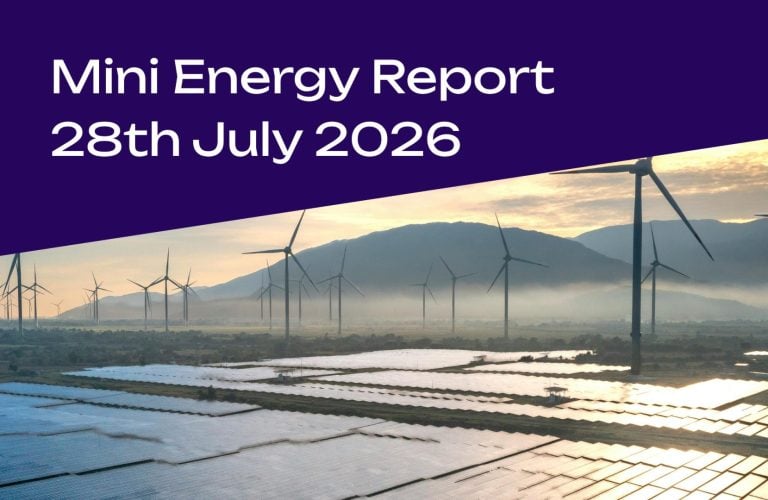


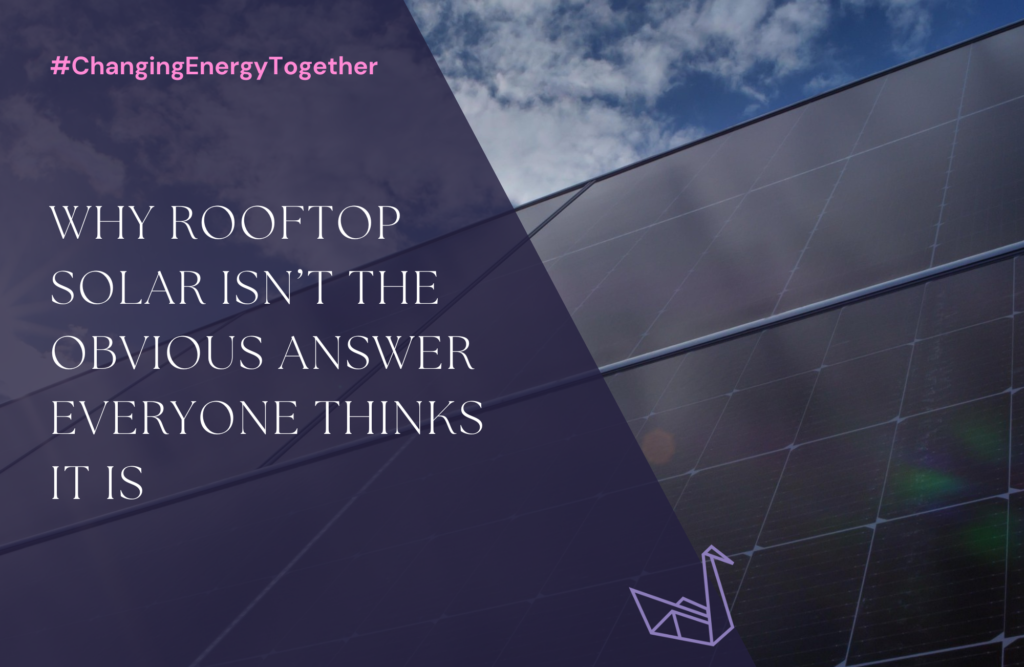
‘Why don’t we just put solar on roofs?’ It’s one of the most common, and reasonable, questions we are asked. In principle, we completely agree. We should be making better use of existing roof space across farms, factories, commercial buildings and homes before installing ground-mounted arrays.
But principle and practice aren’t the same thing. Rooftop solar brings a set of challenges that rarely make headlines.
First, ownership. Many businesses lease their buildings. The landlord owns the roof. The tenant pays the energy bill. Who funds the installation and who benefits from the power? That mismatch alone is enough to stall many projects.
Then there’s cost and complexity. Rooftop systems are typically more expensive per MW than ground-mounted solar. Structural surveys, access constraints and bespoke designs all add cost. For some organisations, unfortunately the numbers simply don’t stack up.
Grid capacity is another hidden issue. In congested areas, exporting power from rooftop installations can be difficult or impossible without costly network upgrades. Large solar farms are often connected at different points in the network, making power flow easier to manage at scale.
None of this means rooftop solar is a bad idea. Far from it. It should absolutely be part of the solution. But presenting it as the ‘obvious’ or ‘simple’ alternative to ground-mounted solar farms ignores commercial, technical and regulatory realities.
Good energy strategy lives in these uncomfortable details. It’s not about choosing sides, roofs versus fields, it’s about understanding what works, where, and for whom.
This is why energy decisions need proper expertise. The cheapest, simplest answer on paper is rarely the best one in practice. And pretending otherwise doesn’t help businesses or communities make the best choices for their specific needs.
Looking for more from your energy partner?
Talk to Indigo Swan about how transparent procurement, genuine sustainability, and expert support can deliver better outcomes for your business.
If you enjoyed reading this blog, why not try one of our others: