

Minimising energy consumption within a school or business is something that has taken on a matter of urgency due to the recent energy crisis and price increases, with lots of organisations looking at ways they can be more energy efficient. We’ve put together some key tips and advice on ways you can reduce your consumption and how this could impact your energy bills.
LED Lighting
One of the most common ways to start saving energy within your school or business is by looking at the lighting in classrooms, offices, and communal spaces. Replacing incandescent light bulbs with more energy efficient LED lamps will allow you to save money on your electricity bills. The benefits of LED lighting are that it has a longer lifespan than incandescent bulbs, and reduces the heat produced from the bulbs. A 60W light bulb costs £17 to run for 2,000 hours, whereas a 12W LED bulb costs £3.40*.
One really effective way to ensure that lights are not being left on in an empty room, is by using motion sensors. They pick up any movement and turn the lights on when required; they also ensure that when the room is left unoccupied, the lights are turned off. Lighting accounts for approximately 20% of your electricity costs* so by reducing the number of lights that are on per day, this will, in turn, decrease your electricity costs.
Turn Off Electrical Equipment
There is a lot of electrical equipment in schools and businesses that use a considerable amount of electricity to run, such as computers, TV’s, interactive whiteboards etc. A good way to reduce your electricity costs are to turn off any electrical equipment at the plug, rather than keeping them on standby mode. This is especially important over the weekends and when buildings are typically not in use. Educate your staff on the importance of turning off equipment at the plug and create friendly reminders around the space to help them remember. These could be handy stickers on the equipment itself or engaging posters around your business.
Switch Off Fortnight
Switch Off Fortnight is a nationwide campaign that takes place every November to encourage schools to switch off their lights and electrical appliances when they are not in use, for two weeks. The idea behind this, is to help schools save energy and allow them to monitor what impact them changing their behaviour has on the school’s energy use. We understand that businesses can’t completely switch off for two weeks, however there may be aspects of this that you could incorporate, for example, you could have a day where you operate on reduced lighting capacity. This would also allow businesses to monitor their energy use and see what impact it had on their energy bills.
Enhance Natural Lighting
Making the most of natural light will cut your electricity costs and create a nicer working environment for your students and staff. Making sure that windows have suitable blinds and curtains to stop direct sunlight will promote a healthy environment. This will also lower your electricity bills as lighting plays a big part of your annual spend.
Update Communal Appliances
Not only is it a good idea to use more energy efficient appliances at home, but also within the communal areas of businesses and schools, specifically the kitchen. Updating your appliances, such as kettles and fridges to more energy efficient ones will reduce your energy consumption. Appliances are tested for how much energy they use and are then given a rating on a scale of A to G, with A being the most energy efficient. Some appliances use an older scale which is A+++ to G, with A+++ being the most energy efficient. In order to ensure you are using energy efficient appliances in your kitchen, it is important to look at their energy rating. You may wish to use energy efficiency information as part of your purchasing strategy. You could consider looking at how much the appliance is going to cost over its entire lifecycle, not just the upfront cost.
Draught Proofing
Draught proofing your windows and doors is a cheap yet effective way to save money and energy, as it reduces the need for your heating to be turned on. You will need to block up any unwanted gaps that are letting in any cold air as this will help to keep the rooms warm which in turn will allow you to turn the heating down and therefore reduce your heating costs. Even a 1 degree difference can increase or decrease your heating costs by 10%*.
Create A Sustainability Group
A really great way to help get your students and staff engaged in being more energy efficient is by getting them involved in the thought process and reasons behind why it is important to your organisation. You could do this by creating a student/staff sustainability group where they can meet and come up with energy saving ideas which can then be implemented across the site. This increases creativity amongst group members and allows them to see their ideas come into fruition, meaning they are more likely to implement them in the organisation.
Invest In Renewable Technology
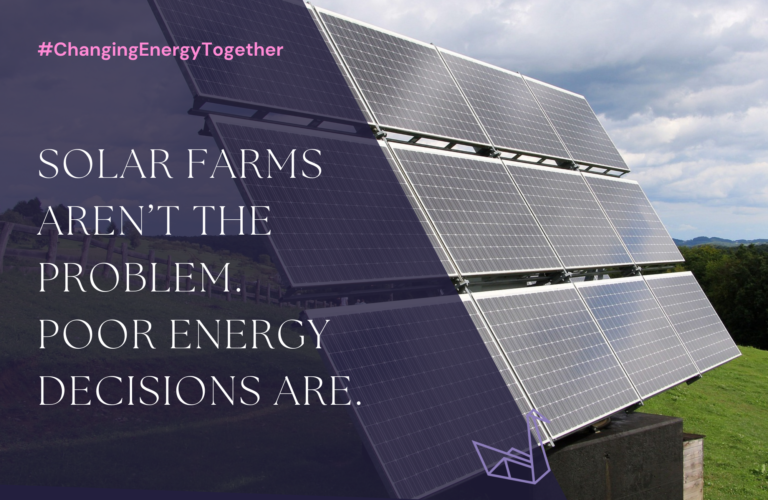
Investing in sustainable and renewable technology, such as solar panels, is a great way to not only reduce your energy bills but will also be a great investment for the future. They are a good way to increase interest amongst students and staff in energy efficiency. Solar PV generates renewable electricity directly from sunlight, during daylight hours.
Get in touch
If you are interested in investing in renewable technology within your school or business, please get in touch with one of our friendly swans, who will be happy to talk you through your options.
Alternatively, you can also complete an energy audit, which will provide a clear overview of your business’s current energy usage and gives you a view of areas where efficiencies may be made.
Links:
A helpful guide to draught-proofing – Energy Saving Trust
* Guide for schools on energy savings and carbon reduction (herefordshire.gov.uk)