

In 2021 Russia provided in the region of 45% of the EU’s Gas. As Russia began to reduce Gas supplies through pipelines and “weaponize” energy, the EU had to find other sources of supplies both for energy security and to restrict Russia’s access to vast revenues to fund their conflict with Ukraine. In 2023 imports from Russia fell to less than 15% (both piped and LNG).
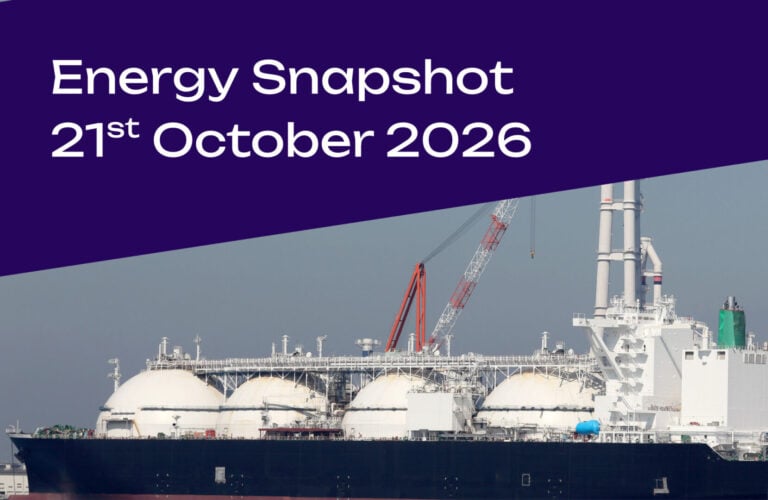
Many countries export LNG, the main ones being Qatar, Australia and the US, although Russia, Algeria, Indonesia, Nigeria and Malaysia are also significant suppliers.
There is also a growing demand for LNG as nations develop and look to move away from burning Coal and Oil. As an example, China was the largest importer of LNG in 2023 and yet just a small percentage of their energy mix comes from Gas, with the majority being Coal. It is likely their demand for LNG will only increase, despite additional piped Gas from Russia.
In 2023 the US was well placed to fill the void left by Russian Gas and became the largest exporter. Almost 20% of the EU’s Gas came from the US in 2023. However, in January 2024, maybe because elections are due in the US, they paused the making of decisions for new LNG projects, due to domestic energy costs and environmental concerns. In February 2024 Qatar announced a significant expansion.
We are now seeing long term deals being made to secure LNG deliveries to help avoid the fear of shortages, that saw energy costs spiral in 2022, pushing up inflation, damaging businesses, economies and putting pressure on the general population’s finances. New infrastructure is also being built, as we have seen in Germany, to allow them to receive shipments.
Realistically, for many countries, the incentive to move away from Coal and Oil will be cheap and reliable alternatives, which for LNG producers, could mean significant rewards if they invest and expand. For the UK this is important, due to our high reliance on Gas to generate Electricity and for heating. Compared to EU nations, our Gas Storage capacity is very low, which leaves us vulnerable in the winter as demand increases and because of the erratic nature of our growing renewable assets.
If you enjoyed reading this blog why not try one of our others: